Diamond Aircraft Industries DA 42 near Orlando, FL — 2022-09-01
- Date
- 2022-09-01
- Location
- Orlando, FL, USA
- Airport
- ORL
- Aircraft
- Diamond Aircraft Industries DA 42
- Registration
- N43RG
- Category
- Airplane
- Highest injury
- Fatal
- Fatalities
- 1
- Phase of flight
- Taxi
Probable cause
The flight crew’s insufficient evaluation of the deteriorating weather conditions in the area, which resulted in an encounter with a microburst.
NTSB narrative
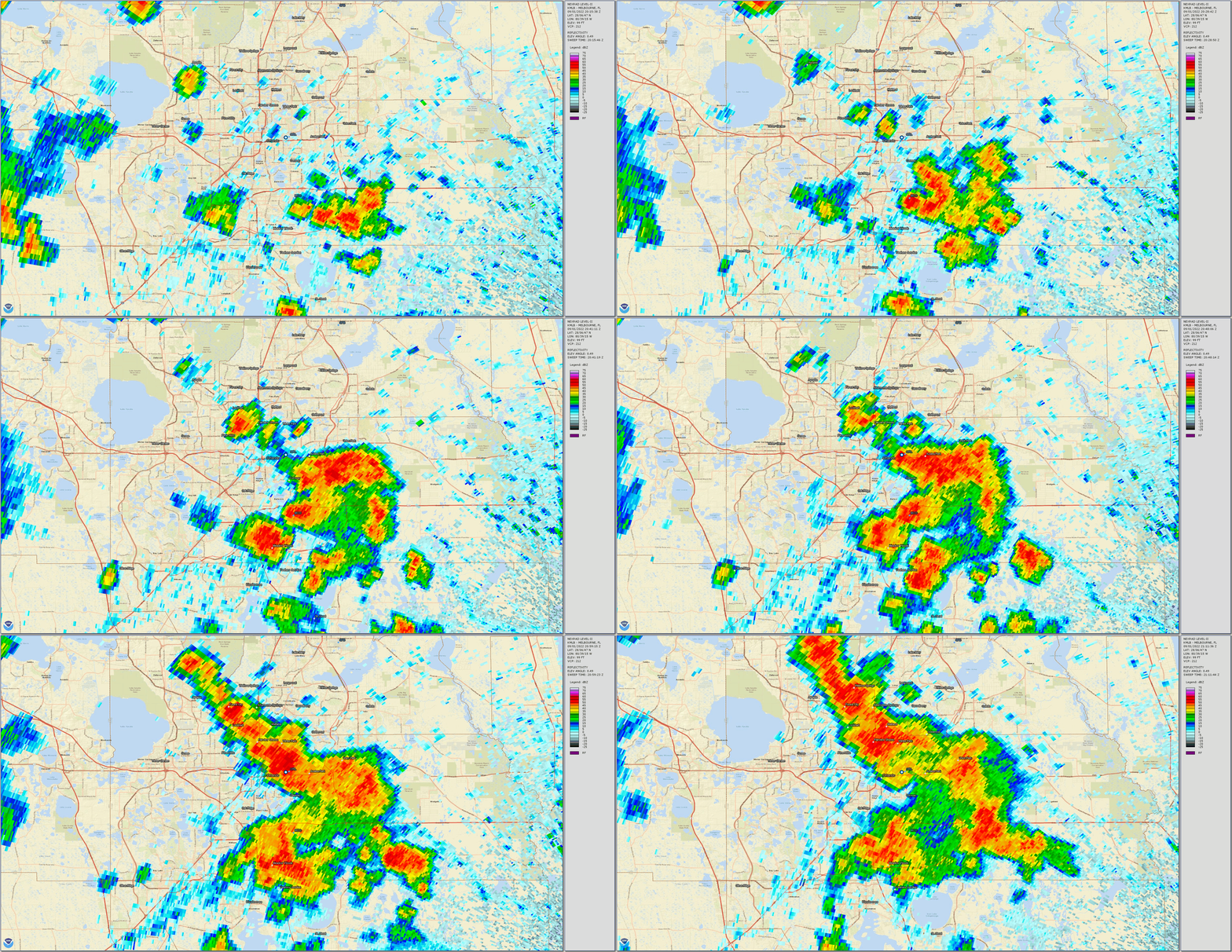
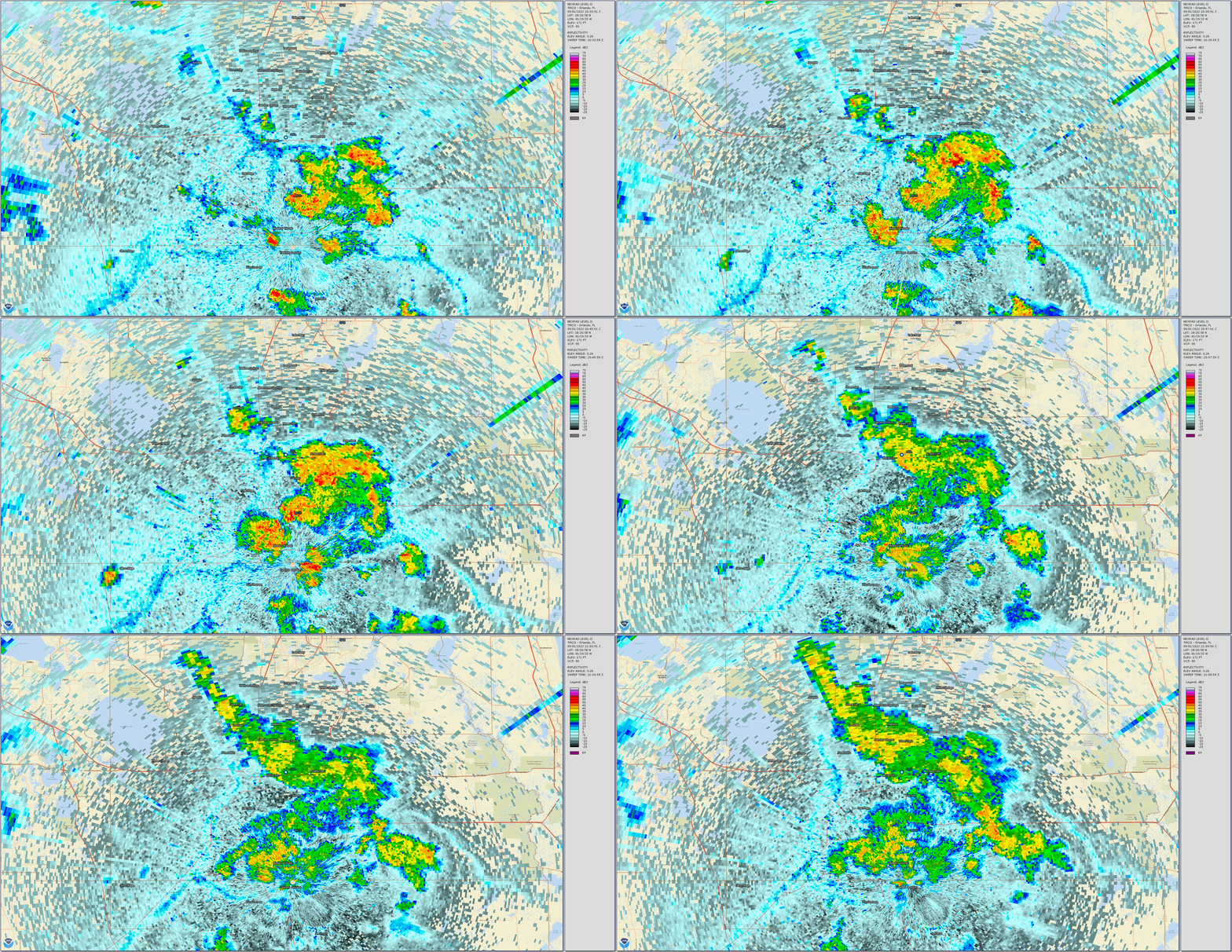
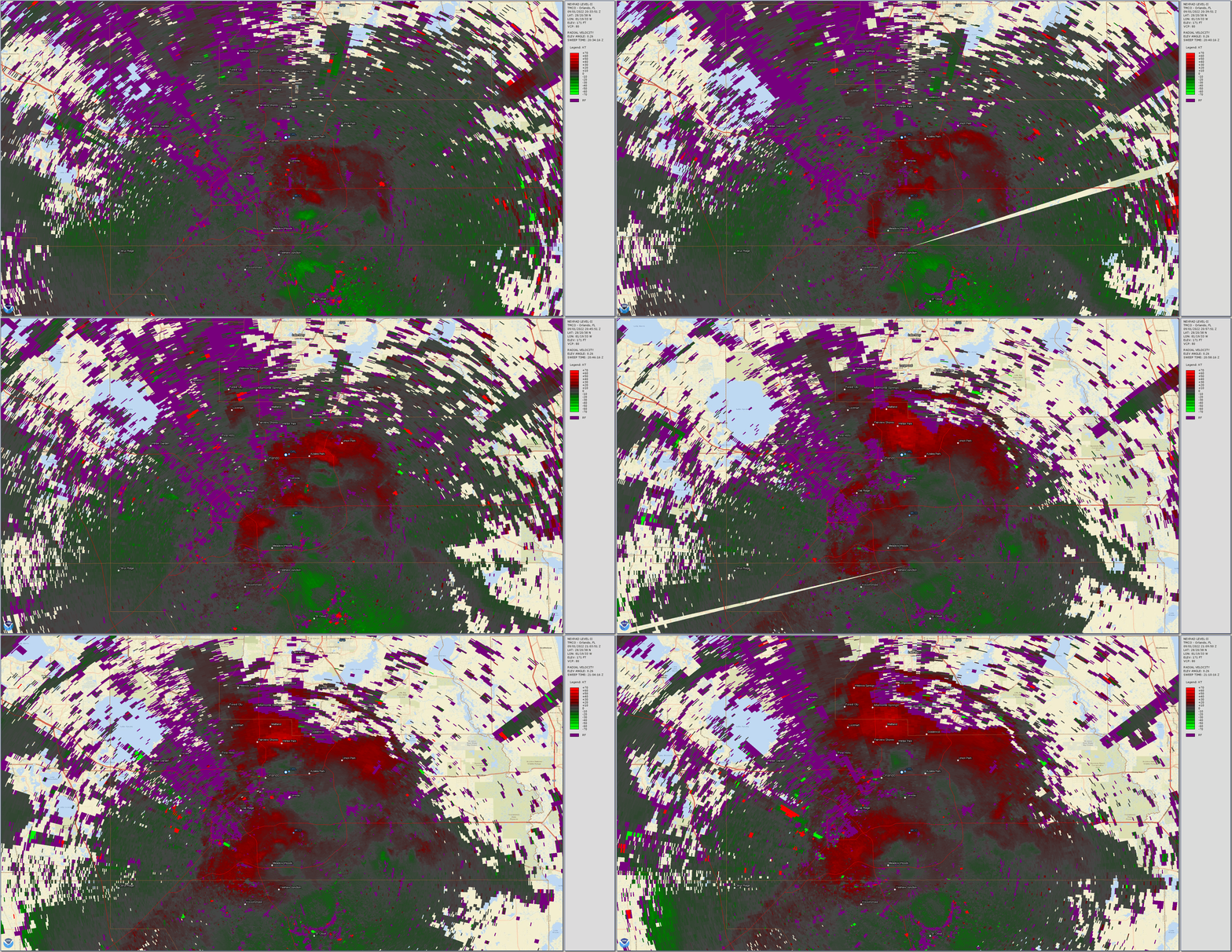
The commercial pilot and his flight instructor were preparing to depart on a local flight when the accident occurred. They taxied to the runway and continued the pre-takeoff and engine runup tasks. While at the holding pad, the weather deteriorated significantly to include thunderstorms, heavy rain, and high wind gusts to 54 knots. The pilots elected to hold their position to wait until the weather conditions improved. The instructor applied down elevator control and moved the left aileron into the wind. Review of available weather data indicated that a microburst caused the left wing to raise and the airplane rolled over, coming to rest inverted. The flight instructor in the left seat was seriously injured, and the commercial pilot in the right seat was fatally injured. The airplane was substantially damaged. The surviving flight instructor reported that they received a weather briefing before the flight and that there was a small area of precipitation about 7 miles to the south, slowly moving north; they expected the area of precipitation would be in the vicinity after their departure. He stated that the cell did not appear to be developing significantly when observed on their radar. An examination of meteorological data revealed that the pilots requested and received a weather briefing from a commercial flight planning service about 1 hour and 18 minutes before the accident. The briefing included convective SIGMETs for the area. The surface observations received included wind gusts to 36 knots and thunderstorms in progress to the south. If the pilots had checked the current weather at the airport 7 miles to their south before taxiing, they would have noticed that the weather there was deteriorating rapidly. The examination of the weather products revealed that the pilots were provided and reviewed the weather information that they encountered. The wreckage was examined to determine the survivability aspects of the accident. The cockpit canopy was crushed and the overroll bar was fractured. About 4.4 inches of vertical space between the middle floor tunnel cover and the overroll bar was lost. The cockpit seats and restraints were undamaged. The amount of force applied to the airframe during the upset event could not be determined. The rolling motion of the airplane likely moved the pilots out of position before impact. This change in position, in conjunction with the decrease in occupiable space from the overhead structure deformation and stretch of the seat belts, caused the injuries sustained by the occupants.
Analysis
- Primary failure mode
- Loss of control
- First missed decision gate
- Deciding to hold in place instead of returning to the ramp as weather deteriorated.
NTSB coding
Evidence available
- 19 docket documents
Docket documents19
- EXCERPTS - ATC ACCIDENT PACKAGEatc
- PILOT/OPERATOR AIRCRAFT ACCIDENT REPORT, NTSB FORM 6120.1form
- RELEASE OF AIRCRAFT WRECKAGE, NTSB FORM 6120.15form
- NTSB MEMORANDUM FOR RECORD - CFI INTERVIEWinterview
- ERA22LA395 SURVIVAL FACTORS ATTACHMENT 1 PILOT ROCother
- ERA22LA395 SURVIVAL FACTORS ATTACHMENT 2 INJURY CHARTother
- ERA22LA395 SURVIVAL FACTORS ATTACHMENT 3 TIMELINEother
- WEATHER ATTACHMENT 1other
- WEATHER ATTACHMENT 2other
- WEATHER ATTACHMENT 3other
- WEATHER ATTACHMENT 4other
- WEATHER ATTACHMENT 5other
- WEATHER ATTACHMENT 6other
- WEATHER ATTACHMENT 6 PART 2other
- WEATHER ATTACHMENT 7other
- WEATHER ATTACHMENT 8other
- SURVIVAL FACTORS FACTUAL REPORTreport
- TOXICOLOGICAL REPORT - RIGHT SEAT PILOTreport
- WEATHER FACTUAL REPORTreport

Related mishaps
- CESSNA 172K
2022-08-09 · Kahului, HI