CESSNA 207A near Juneau, AK — 2015-07-17
- Date
- 2015-07-17
- Location
- Juneau, AK, USA
- Aircraft
- CESSNA 207A
- Registration
- N62AK
- Category
- Airplane
- Highest injury
- Fatal
- Fatalities
- 1
- Phase of flight
- Climb
Probable cause
The pilot's decision to initiate and continue visual flight into instrument meteorological conditions, which resulted in a loss of situational awareness and controlled flight into terrain. Contributing to the accident were the company's failure to follow its operational control and flight release procedures and its inadequate training and oversight of operational control personnel.
Contributing factors
Contributing to the accident were the company's failure to follow its operational control and flight release procedures and its inadequate training and oversight of operational control personnel.
NTSB narrative
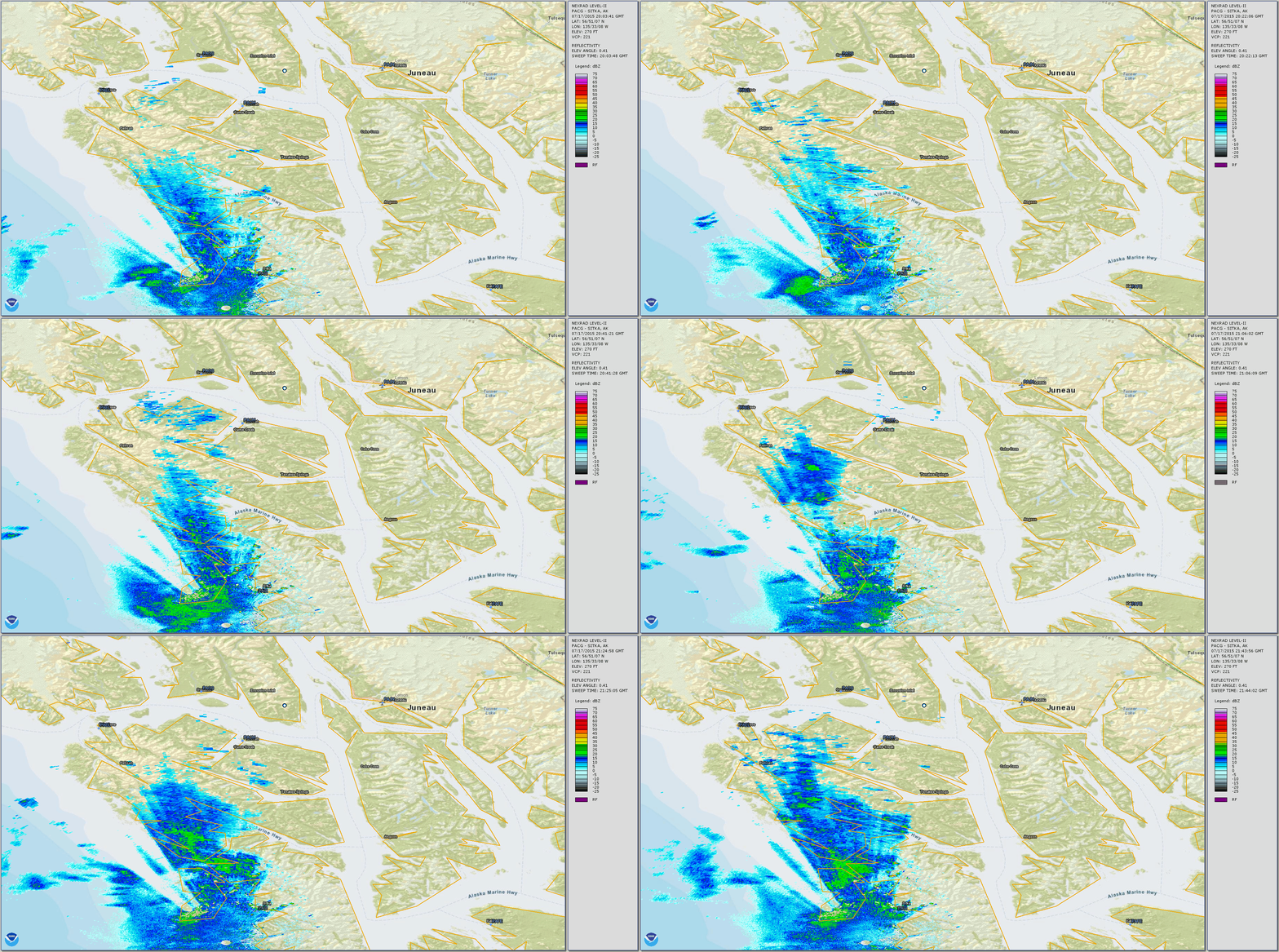
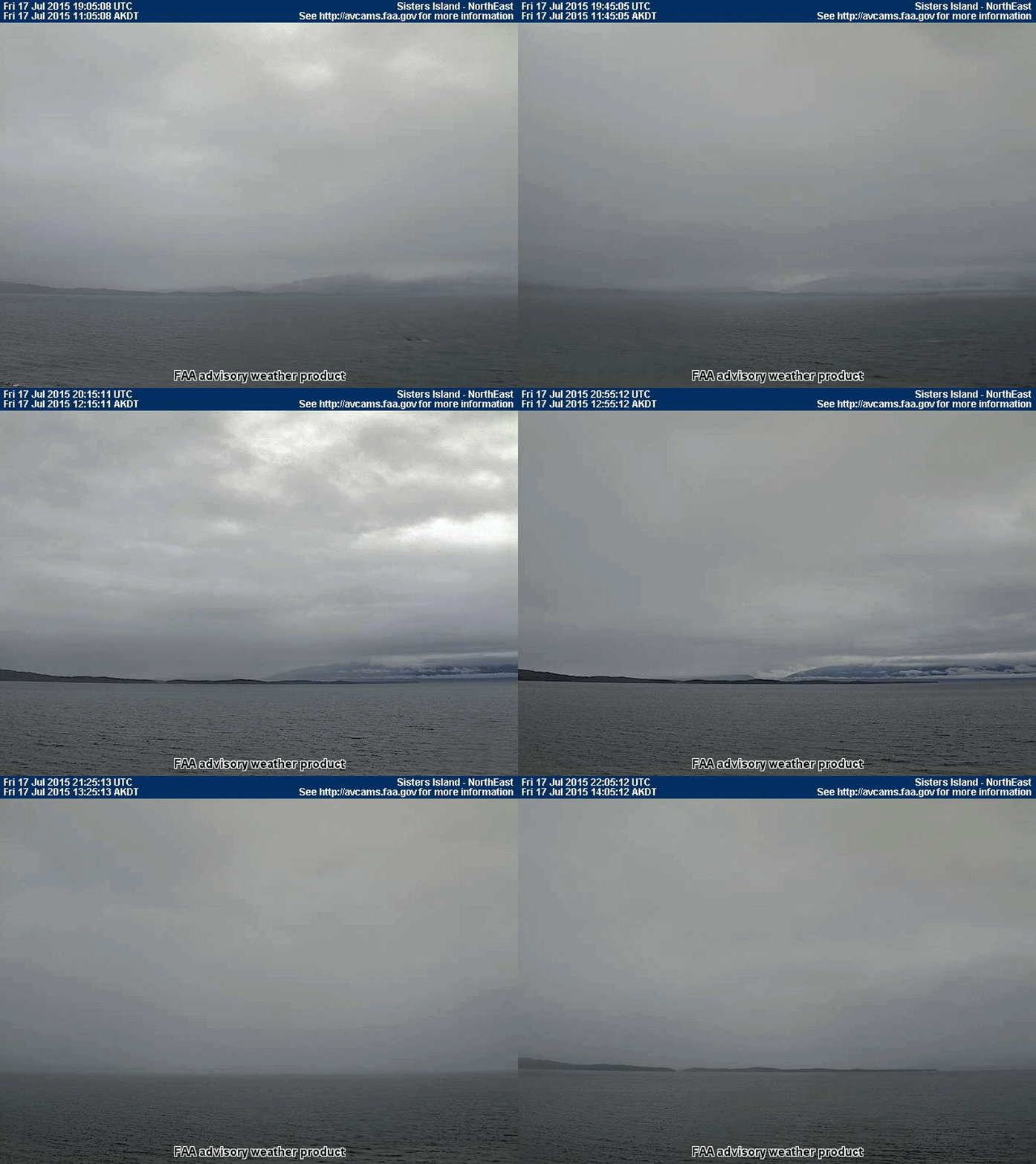
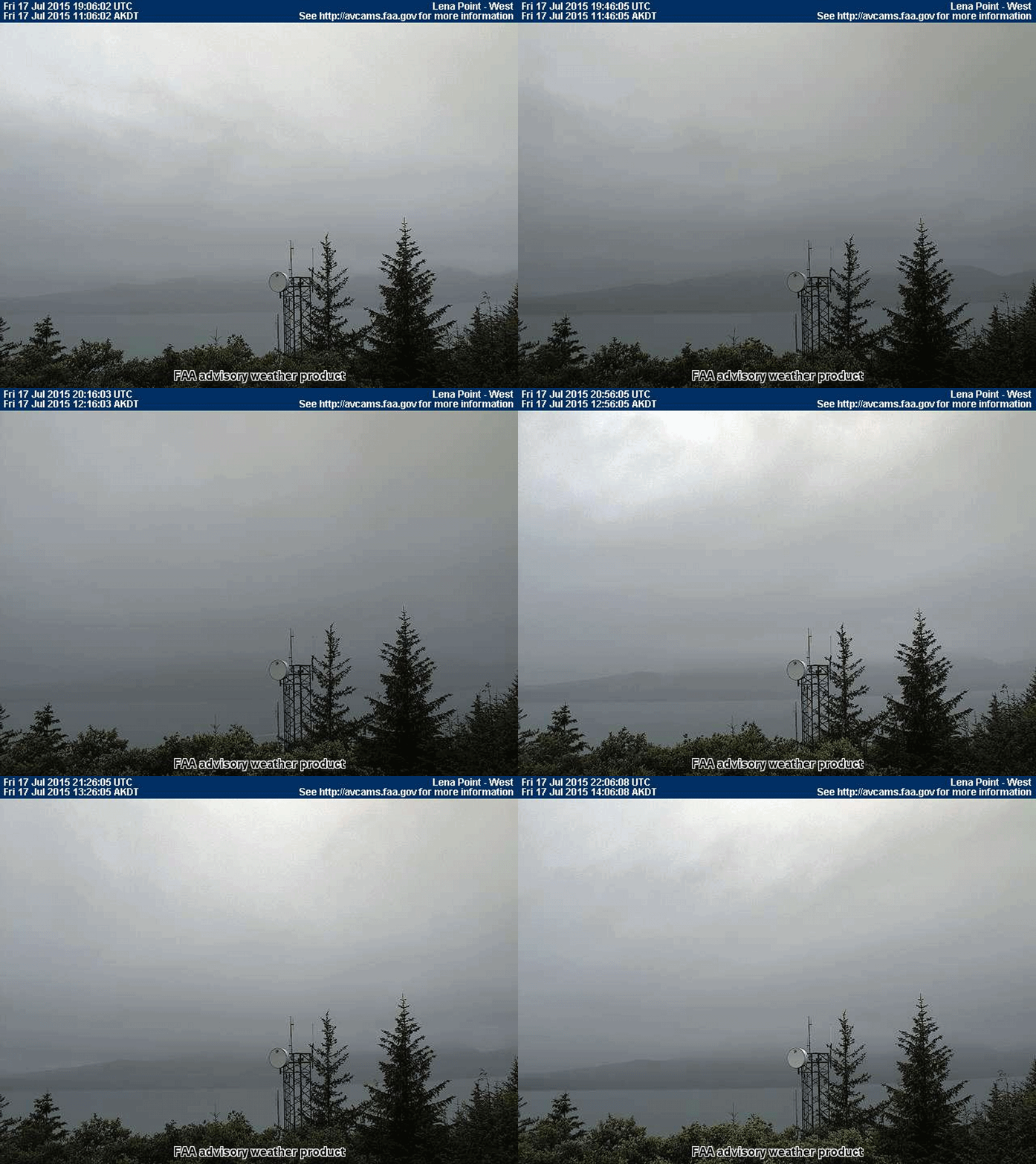
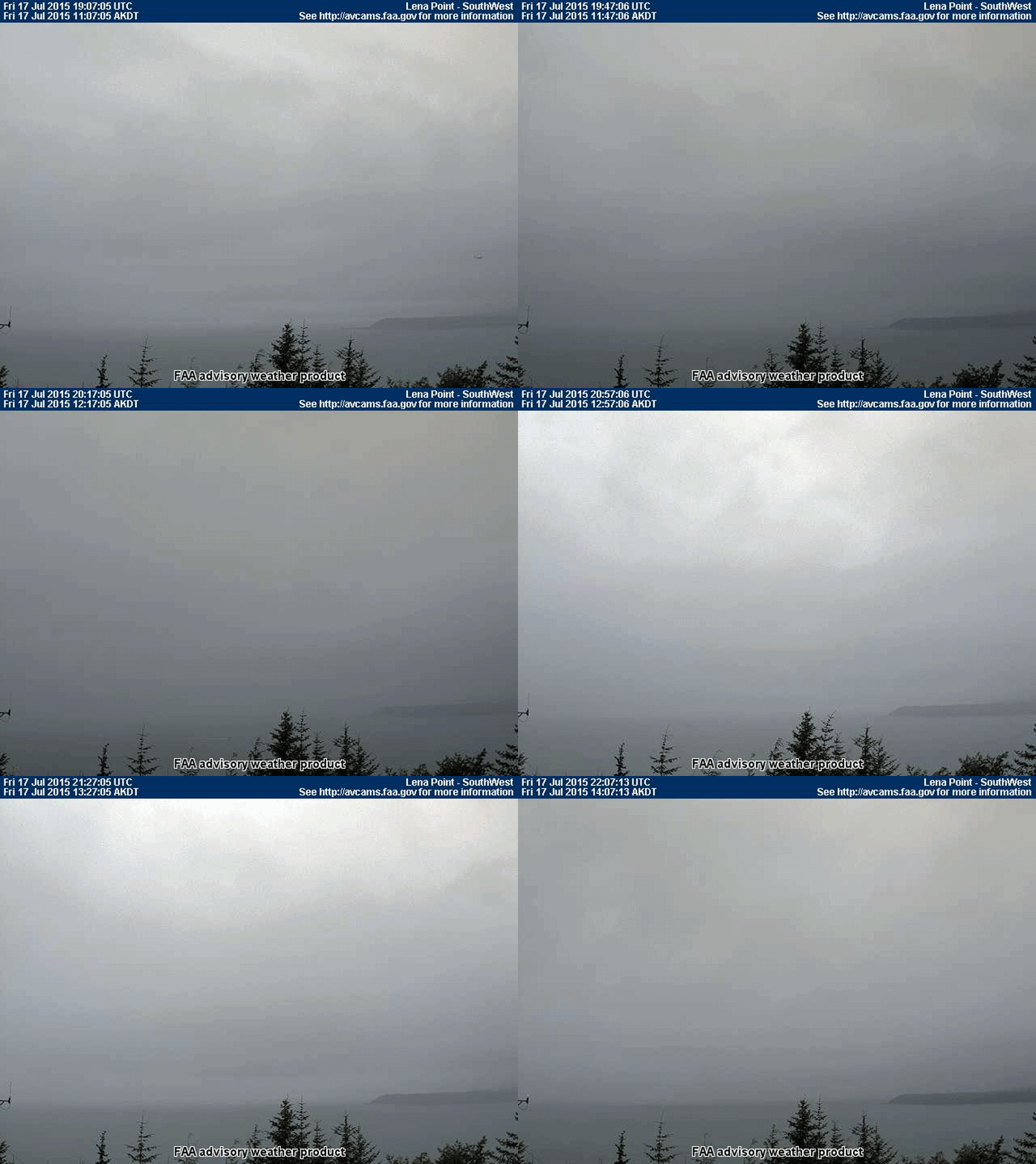
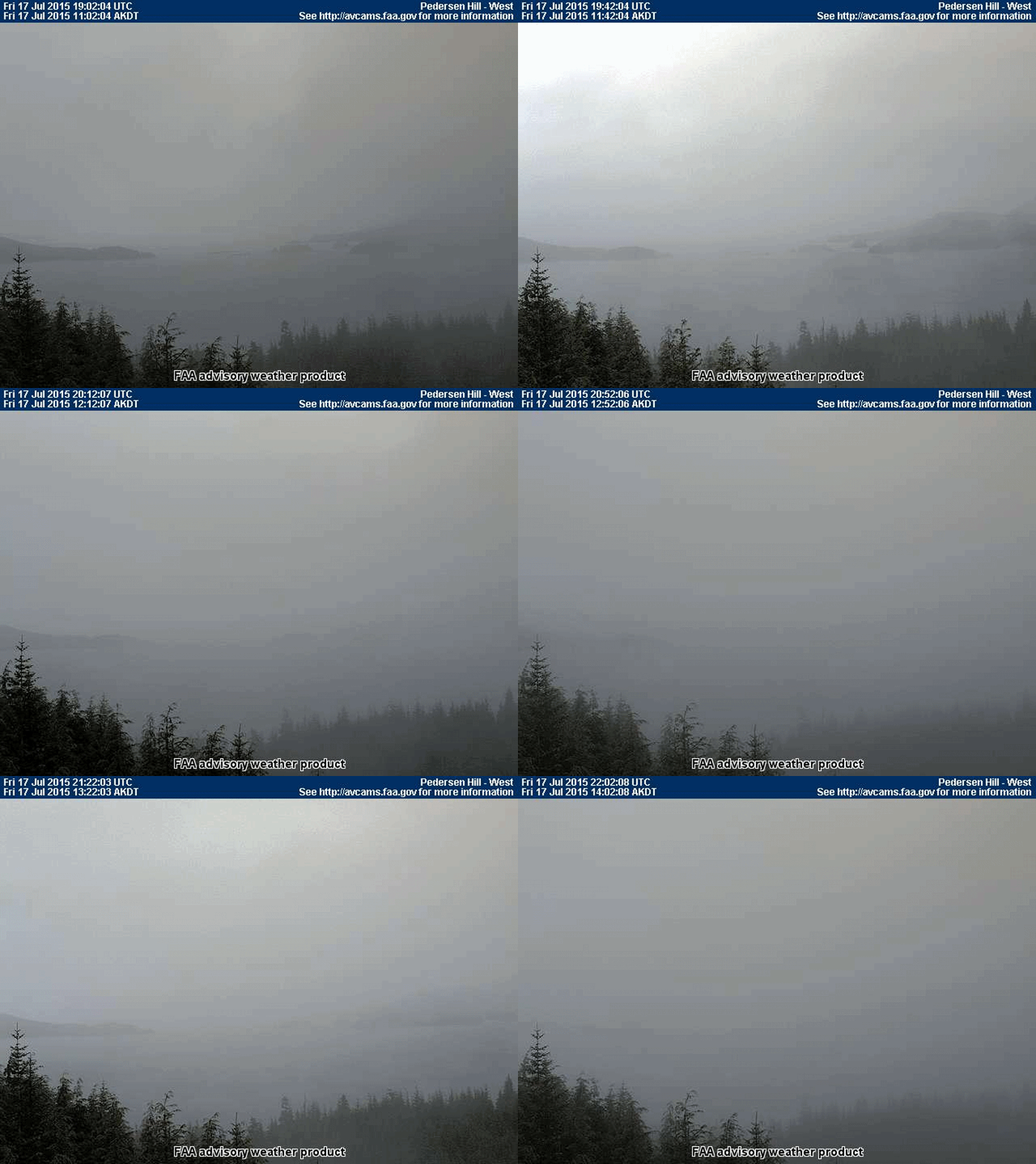
**This report was modified on March 1, 2023. Please see the public docket for this accident to view the original report.** The company flight coordinator on duty when the pilot got her "duty-on" briefing reported that, during the "duty-on" briefing, he informed the commercial pilot that most flights to the intended destination had been cancelled in the morning due to poor weather conditions and that one pilot had turned around due to weather. No record was found indicating that the pilot used the company computer to review weather information before the flight nor that she had received or retrieved any weather information before the flight. If she had obtained weather information, she would have seen that the weather was marginal visual flight rules to instrument flight rules conditions, which might have affected her decision to initiate the flight. The pilot subsequently departed for the scheduled commuter flight with four passengers on board; the flight was expected to be 20 minutes long. Review of automatic dependent surveillance-broadcast data transmitted by the airplane showed that the airplane's flight track was farther north than the typical track for the destination and that the airplane did not turn south toward the destination after crossing the channel. Data from an onboard multifunction display showed that, as the airplane approached mountainous terrain on the west side of the channel, the airplane made a series of erratic pitch-and-roll maneuvers before it impacted trees and terrain. Postaccident examination of the airframe and engine revealed no mechanical malfunctions or anomalies that would have precluded normal operation. One of the passengers reported that, after takeoff, the turbulence was "heavy," and there were layers of fog and clouds and some rain. Based on the weather reports, the passenger statement regarding the weather, and the flight's erratic movement just before impact, it is likely that the flight encountered instrument meteorological conditions as it approached the mountainous terrain and that the pilot then lost situational awareness and flew into trees and terrain. According to the company's General Operations Manual (GOM), operational control was delegated to the flight coordinator for the accident flight, and the flight coordinator and pilot-in-command (PIC) were jointly responsible for preflight planning, flight delay, and flight release, which included completing the flight risk assessment (FRA) process. This process required the PIC to fill out an FRA form and provide it to the flight coordinator before flight. However, the pilot did not fill out the form. The GOM stated that one of the roles of the flight dispatcher (also referred to as "flight coordinator") was to assist the pilot in flight preparation by gathering and disseminating pertinent information regarding weather and any information deemed necessary for the safety of flight. It also stated that the dispatcher was to assist the PIC as necessary to ensure that all items required for flight preparation were accomplished before each flight. However, the flight coordinator did not discuss all the risks and weather conditions associated with the flight with the pilot, which was contrary to the GOM. When the flight coordinator who was on duty at the time the airplane was ready to depart did not receive a completed FRA, he did not stop the flight from departing, which was contrary to company policy. By not completing an FRA, it is likely the total risks associated with the accident flight were not adequately assessed. Neither the pilot nor the flight coordinator should have allowed the flight to be released without having completed an FRA form, which led to a loss of operational control and the failure to do so likely contributed to the accident. Interviews with company personnel and a review of a sampling of FRA forms revealed that company personnel, including the flight coordinators, lacked a fundamental knowledge of operational control theory and practice and operational practices (or lack thereof), which led to a loss of operational control for the accident flight. The company provided no formal flight coordinator training nor was a formal training program required. All of the company's qualified flight coordinators were delegated operational control and, thus, were required by 14 Code of Federal Regulations Section 119.69 to be qualified through training, experience, and expertise and to fully understand aviation safety standards and safe operating practice with respect to the company's operation and its GOM. However, the company had no formal method of documenting these requirements; therefore, it lacked a method of determining its flight coordinators' qualifications. The company was the holder of a Medallion Shield until they voluntarily suspended the Shield status but retained the "Star" status and continued advertising as a Shield carrier. Medallion stated in an email "With this process of voluntarily suspension, there will be no official communication to the FAA…" Given that Medallion advertises that along with the Shield comes recognition by the FAA as an operator who incorporates higher standards of safety, it seems contrary to safety that they would withhold information pertaining to a suspension of that status.
Analysis
- Primary failure mode
- Controlled flight into terrain
- First missed decision gate
- Pilot should have reviewed weather conditions before departure.
NTSB coding
Evidence available
- Video
- FDR / data
- ADS-B / radar
- Photos
- 50 docket documents
Docket documents50
- STATEMENT OF PARTY REPRESENTATIVES TO NTSB INVESTIGATIONinterview
- ATTACHMENT 1 TO PETITION FOR RECONSIDERATIONother
- ATTACHMENT 4-6 PETITION FOR RECONSIDERATIONother
- COCKPIT DISPLAYS - RECORDED FLIGHT DATA - ATTACHMENT 1 - TABULAR DATA (CSV)other
- METEOROLOGY ATTACHMENT 1other
- METEOROLOGY ATTACHMENT 2other
- METEOROLOGY ATTACHMENT 3other
- METEOROLOGY ATTACHMENT 4other
- METEOROLOGY ATTACHMENT 5other
- METEOROLOGY ATTACHMENT 6other
- METEOROLOGY ATTACHMENT 7other
- OPERATIONS ATTACHMENT 1other
- OPERATIONS ATTACHMENT 10other
- OPERATIONS ATTACHMENT 11other
- OPERATIONS ATTACHMENT 12other
- OPERATIONS ATTACHMENT 13other
- OPERATIONS ATTACHMENT 14other
- OPERATIONS ATTACHMENT 15other
- OPERATIONS ATTACHMENT 16other
- OPERATIONS ATTACHMENT 17other
- OPERATIONS ATTACHMENT 18other
- OPERATIONS ATTACHMENT 19other
- OPERATIONS ATTACHMENT 2other
- OPERATIONS ATTACHMENT 20other
- OPERATIONS ATTACHMENT 21other
- OPERATIONS ATTACHMENT 22other
- OPERATIONS ATTACHMENT 23other
- OPERATIONS ATTACHMENT 24other
- OPERATIONS ATTACHMENT 25other
- OPERATIONS ATTACHMENT 26other
- OPERATIONS ATTACHMENT 27other
- OPERATIONS ATTACHMENT 28other
- OPERATIONS ATTACHMENT 29other
- OPERATIONS ATTACHMENT 3other
- OPERATIONS ATTACHMENT 4other
- OPERATIONS ATTACHMENT 5other
- OPERATIONS ATTACHMENT 6other
- OPERATIONS ATTACHMENT 7other
- OPERATIONS ATTACHMENT 8other
- OPERATIONS ATTACHMENT 9other
- PETITION FOR RECONSIDERATIONother
- ACCIDENT PHOTOGRAPHSphotos
- PHOTO - FINAL CHELTON FLIGHT PATHphotos
- COCKPIT DISPLAYS - RECORDED FLIGHT DATA - SPECIALIST'S FACTUAL REPORTreport
- GROUP CHAIRMAN'S WEATHER STUDY REPORT - METEOROLOGYreport
- NTSB - REVISED ADOPTED BOARD REPORTreport
- OPERATIONS GROUP CHAIRMAN FACTUAL REPORTreport
- VIDEO - ONBORAD AVIONICS FLIGHT ANIMATIONvideo
- VIDEO - PRELIMNINARY ADS-B RADAR TRACKvideo
- EVIDENCE RELEASEwreckage
Related mishaps
- PIPER PA-32-300
2025-01-02 · Round Mountain, NV · 1 fatality
- CESSNA 150F
2024-10-31 · Wilder, TN · 1 fatality
- LUSCOMBE 8A
2024-06-12 · South Lake Tahoe, CA · 2 fatalities
- ENSTROM 280FX
2024-02-15 · Lewistown, MT
- CESSNA T206H
2023-10-27 · Orangeville, UT · 1 fatality
- EUROCOPTER DEUTSCHLAND GMBH EC 135 P2+
2023-03-09 · Franklin, NC