AIRBUS HELICOPTERS EC 130 near Memphis, TN — 2018-01-28
- Date
- 2018-01-28
- Location
- Memphis, TN, USA
- Airport
- PVT
- Aircraft
- AIRBUS HELICOPTERS EC 130
- Registration
- N894GT
- Category
- Helicopter
- Highest injury
- None
- Fatalities
- 0
- Phase of flight
- Landing
Probable cause
The pilot’s failure to lock the collective pitch control after landing, and the mechanic’s failure to properly balance the collective pitch control after converting the helicopter to a single-pilot configuration, which resulted in an uncommanded collective movement and subsequent hard landing.
NTSB narrative
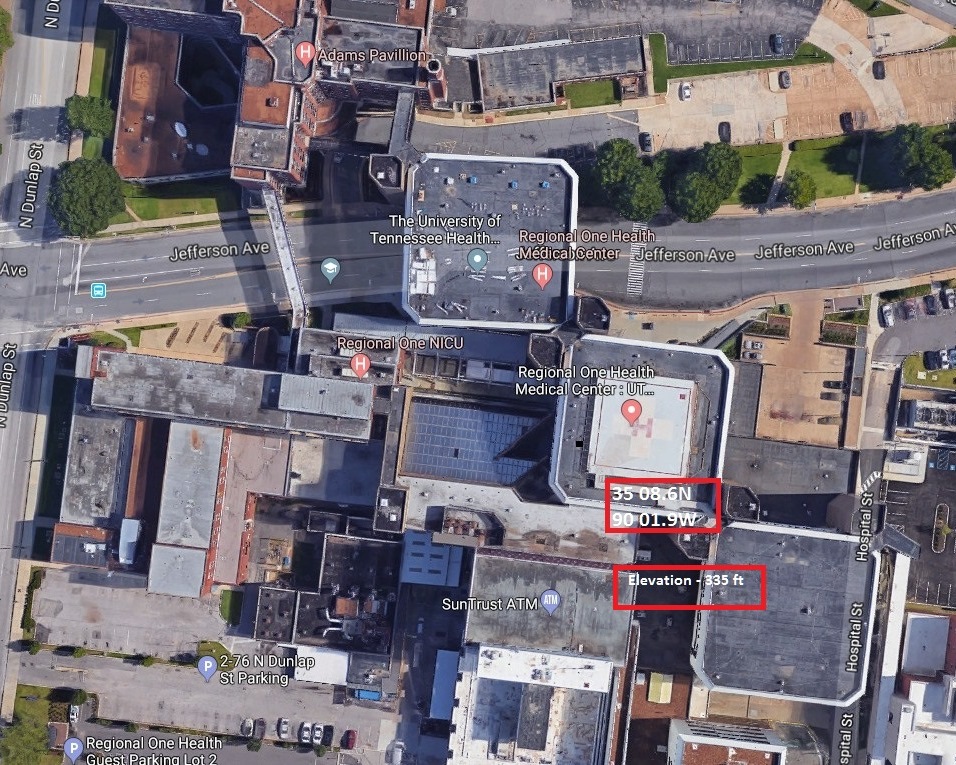
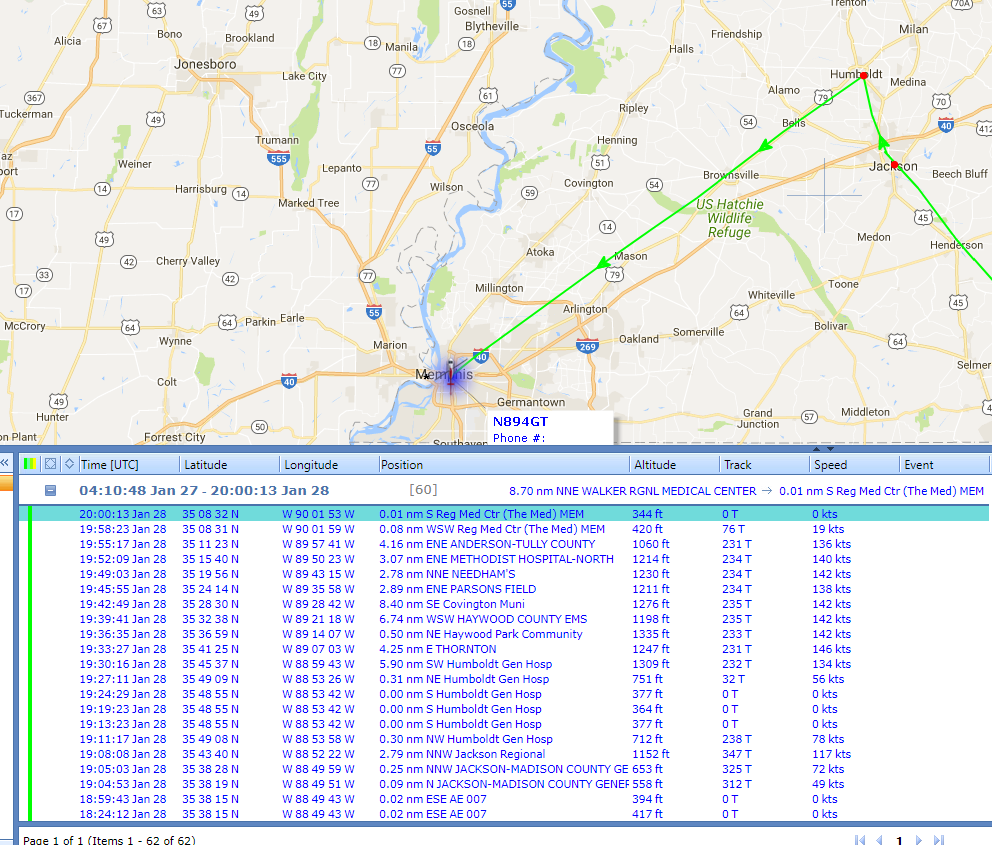
The pilot of the helicopter air ambulance performed an approach and landing to a rooftop heliport in gusting wind conditions, during which he reduced collective pitch control friction to more readily apply collective control inputs. After landing, he started the after-landing portion of the checklist and turned the throttle twist grip on the collective from FLIGHT to IDLE, believing that he had engaged the collective lock. Shortly thereafter, the collective "popped up," and the helicopter became airborne. He immediately grabbed the cyclic with his right hand, the collective with his left hand, and twisted the twist grip to FLIGHT. The helicopter then landed hard, resulting in minor damage. Review of onboard video revealed a sequence of events consistent with the pilot’s statement, and recorded data indicated that the collective rose up consistent with it not locked in the down position and resulted in the engine transitioning from IDLE to FLIGHT. This confirmed the pilot’s observation that the collective rose uncommanded. The helicopter was designed to be convertible from a dual-pilot configuration (for activities such as training), to single-pilot configuration (for activities such as air ambulance). Two days before the incident, the helicopter had been converted to the single-pilot configuration by a mechanic. This conversion required that the collective be balanced to avoid uncommanded movement; however, post-incident examination of the helicopter revealed that the collective would rise unassisted, indicating that the collective was improperly balanced after the helicopter was converted to the single-pilot configuration.
Analysis
- Primary failure mode
- Human factors
- First missed decision gate
- Pilot could have confirmed collective was locked before turning throttle to IDLE.
NTSB coding
- Miscellaneous/other · After landing
- Maintenance
Evidence available
- Video
- FDR / data
- Photos
- 18 docket documents
Docket documents18
- EVIDENCE CONTROL FORMform
- PILOT/OPERATOR AIRCRAFT ACCIDENT REPORT, NTSB FORM 6120.1form
- WEIGHT AND BALANCE INFORMATIONform
- STATEMENT OF PARTY REPRESENTATIVES TO NTSB INVESTIGATIONinterview
- WITNESS STATEMENTS AND INTERVIEW SUMMARIESinterview
- AMM EC130 B4T2 - COLLECTIVE STICK BALANCE ADJUSTMENT (ON-LINE MECHANICS REFERENCE)other
- EC130 AMM - COLLECTIVE MAIN ROTOR CONTROLS - ADJUSTMENT AND TESTother
- EC130 AMM - COLLECTIVE MAIN ROTOR CONTROLS - REMOVAL AND INSTALLATIONother
- EC130 AMM - MAIN ROTOR FLIGHT CONTROLS - ADJUSTMENT AND TESTother
- MEMORANDUM FOR RECORD - AIRBUS HELICOPTERS DAMAGE ASSESSMENTother
- ATTACHMENT 1 TO ONBOARD IMAGE RECORDER - GROUP CHAIRMAN'S FACTUAL REPORTphotos
- ONBOARD IMAGER RECORDER - GROUP CHAIRMAN'S FACTUAL REPORTphotos
- PHOTO ARRAYphotos
- SATELLITE IMAGE OF HELIPORTphotos
- N894GT - SKYWEB TRACKING DATAradar
- ATTACHMENT 1 TO ENGINE DATA RECORDER (EDR) - GROUP CHAIRMAN'S FACTUAL REPORTreport
- ENGINE DATA RECORDER (EDR) - GROUP CHAIRMAN'S FACTUAL REPORTreport
- WEATHER REPORTS AND RECORDS - KMEM METARS AND TAFSreport