ROCKWELL 112 near Mt Hood, OR — 2019-01-25
- Date
- 2019-01-25
- Location
- Mt Hood, OR, USA
- Airport
- TTD
- Aircraft
- ROCKWELL 112
- Registration
- N1332J
- Category
- Airplane
- Highest injury
- Fatal
- Fatalities
- 1
- Phase of flight
- Maneuvering
Probable cause
The pilot's decision to fly the airplane in close proximity to mountainous terrain in an area of mountain wave activity that exceeded the performance capabilities of the airplane. Contributing to the accident was the pilot's degraded decision making and performance due to his use of multiple sedating and impairing drugs.
Contributing factors
Contributing to the accident was the pilot's degraded decision making and performance due to his use of multiple sedating and impairing drugs.
NTSB narrative
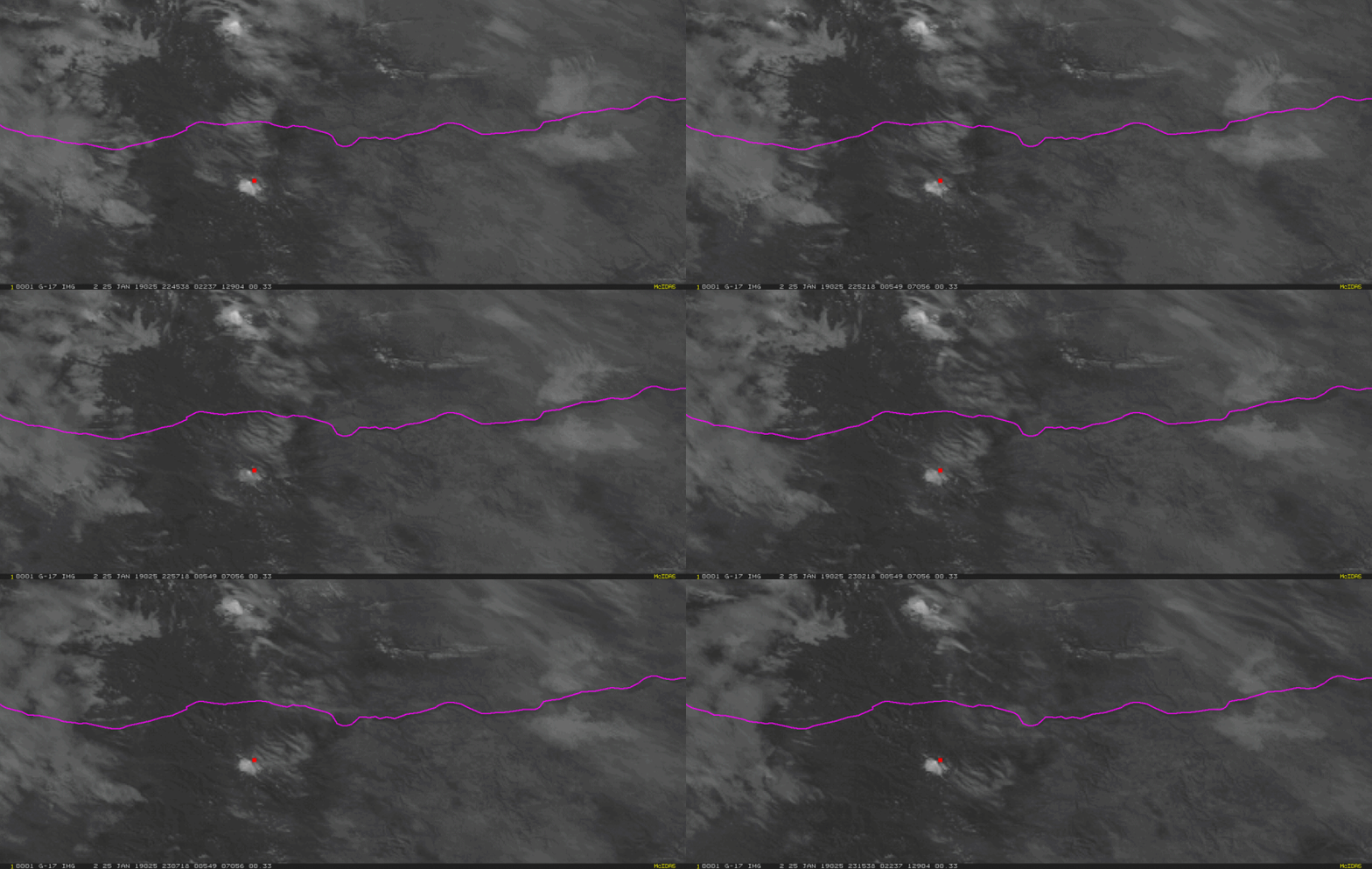
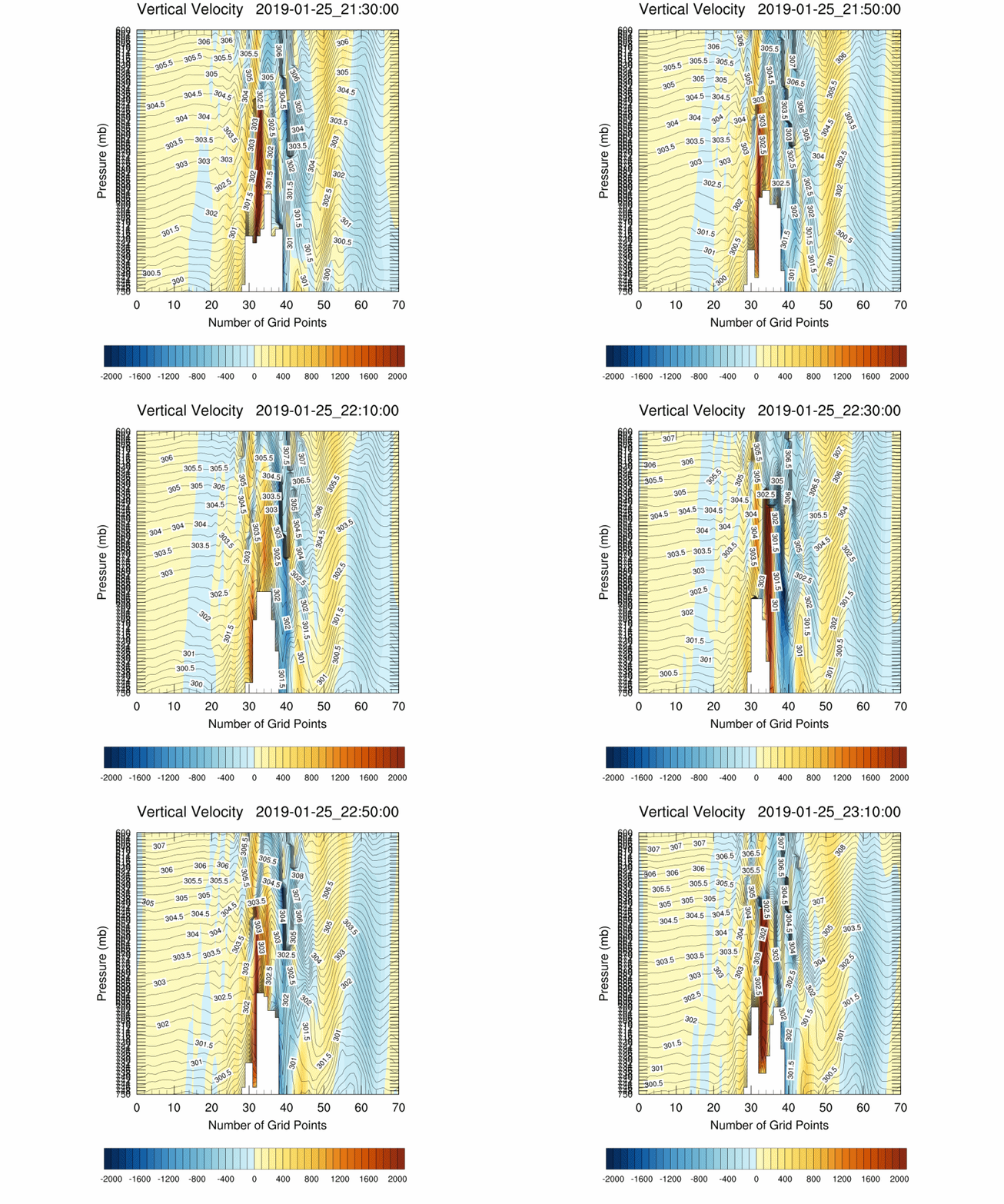
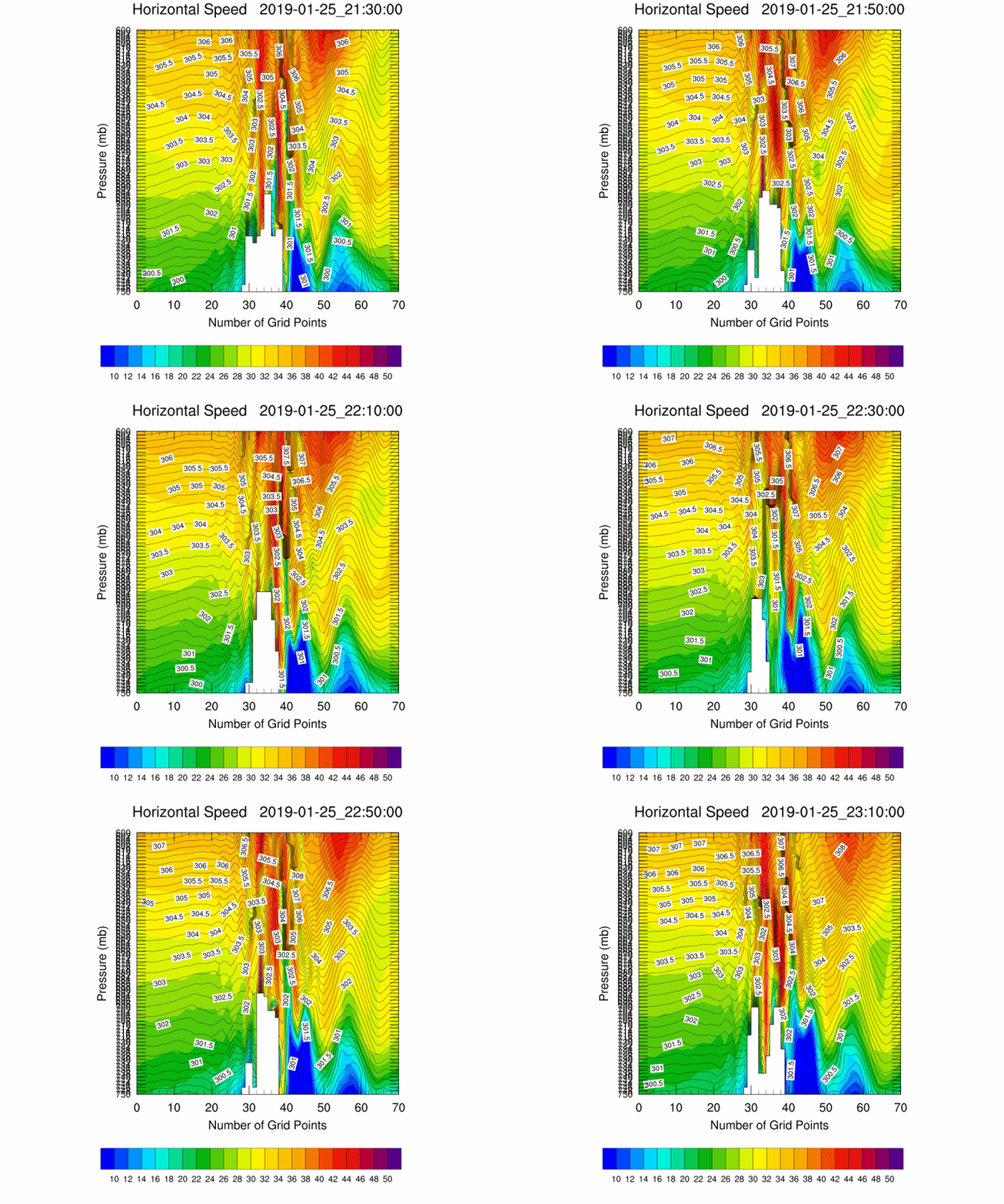
The pilot departed on a visual flight rules flight toward a nearby mountain with a summit elevation of 11,239 ft. After completing one orbit around the summit at a radial distance of about 3 miles, the pilot flew the airplane to within 1,500 ft horizontally for a second orbit. As the airplane turned around the southern side of the mountain, it began to descend at a rate of about 2,500 ft per minute (fpm) and impacted an almost-vertical face of the mountain about 1,600 ft below the summit. Due to the treacherous and remote nature of the accident site, an on-scene examination could not be performed, and the airplane was not recovered from the site. The airplane's flight path around the summit revealed significant ground speed variations consistent with the airplane encountering headwinds as it circled. The pilot was likely aware of the wind conditions aloft because he appeared to perform a heading correction during the first orbit, as wind likely pushed the airplane toward the mountain. This should have served as a cue for the pilot to prepare for terrain-induced downdrafts and turbulence and to avoid flying too close to the peak; however, he continued with the second pass. Atmospheric analysis indicated that the airplane was operating in an area of mountain wave conditions at the time of the accident, with modeling indicating the presence of rapid changes in horizontal wind speed. Vertical velocity data showed that the airplane likely encountered updrafts of between 100 and 300 fpm during its first orbit around the mountain, and downdrafts greater than 2,000 fpm during the second, closer orbit, significantly exceeding the airplane's 200-fpm climb performance for that altitude. There was no evidence to suggest that the pilot obtained an official weather briefing before the flight. Had he done so, he would have been made aware of the winds aloft conditions, which indicated the likelihood of terrain-induced turbulence close to the mountain. Review of the pilot's medical records indicated that he was experiencing ongoing back pain due to an injury. Toxicological testing indicated that he had been using oxycodone, mitragynine, and metoclopramide, all of which are sedating and impairing. The levels of oxycodone in his blood were considered impairing. Use of the stimulant modafinil suggested that the pilot was attempting to counter fatigue. Toxicology also indicated that the pilot had used marijuana; however, it could not be determined if the concentration would have been impairing or decreased his performance. Given that multiple drugs involved were sedating or impairing both individually and combined, the pilot would most likely have experienced diminished decision-making ability, increased reaction times, and degraded motor skills. Thus, it is likely that the use of these drugs contributed to the accident.
Analysis
- Primary failure mode
- Human factors
- First missed decision gate
- Pilot did not check weather conditions before flying near Mount Hood.
NTSB coding
Evidence available
- ADS-B / radar
- Photos
- 15 docket documents
Docket documents15
- STATEMENT OF PARTY REPRESENTATIVES TO NTSB INVESTIGATIONform
- INTERVIEW SUMMARIESinterview
- FLIGHT MANUAL EXCERPTS (RATE OF CLIMB)other
- MAINTENANCE LOGBOOK EXCERPTSother
- WEATHER-ATTACHMENT 1other
- WEATHER-ATTACHMENT 3other
- WEATHER-ATTACHMENT 4other
- WEATHER-ATTACHMENT 5other
- PHOTOGRAPHS AND IMAGESphotos
- WEATHER-ATTACHMENT 2photos
- FAA RADAR DATA (QVN SENSOR)radar
- FAA RADAR DATA (RDM SENSOR)radar
- NTSB MEDICAL FACTUAL REPORTreport
- TOXICOLOGICAL REPORTreport
- WEATHER FACTUAL REPORTreport
Related mishaps
- BELLANCA 7GCBC
2026-05-30 · Jonesboro, AR
- QUICKSILVER MX II
2025-04-11 · Brady, TX
- CIRRUS DESIGN CORP SR22
2024-09-27 · Provo, UT · 2 fatalities
- AIR TRACTOR INC AT-602
2024-07-22 · Oxford, IN · 1 fatality
- AIR TRACTOR INC AT-802A
2024-07-10 · Helena, MT · 1 fatality
- VANS AIRCRAFT INC RV-12IS
2024-07-02 · Scappoose, OR