BEECH A24R near Ogden, UT — 2017-09-12
- Date
- 2017-09-12
- Location
- Ogden, UT, USA
- Airport
- OGD
- Aircraft
- BEECH A24R
- Registration
- N9798L
- Category
- Airplane
- Highest injury
- Minor
- Fatalities
- 0
- Phase of flight
- Initial climb
Probable cause
The airplane's inability to maintain an initial takeoff climb for reasons that could not be determined based on available information.
NTSB narrative
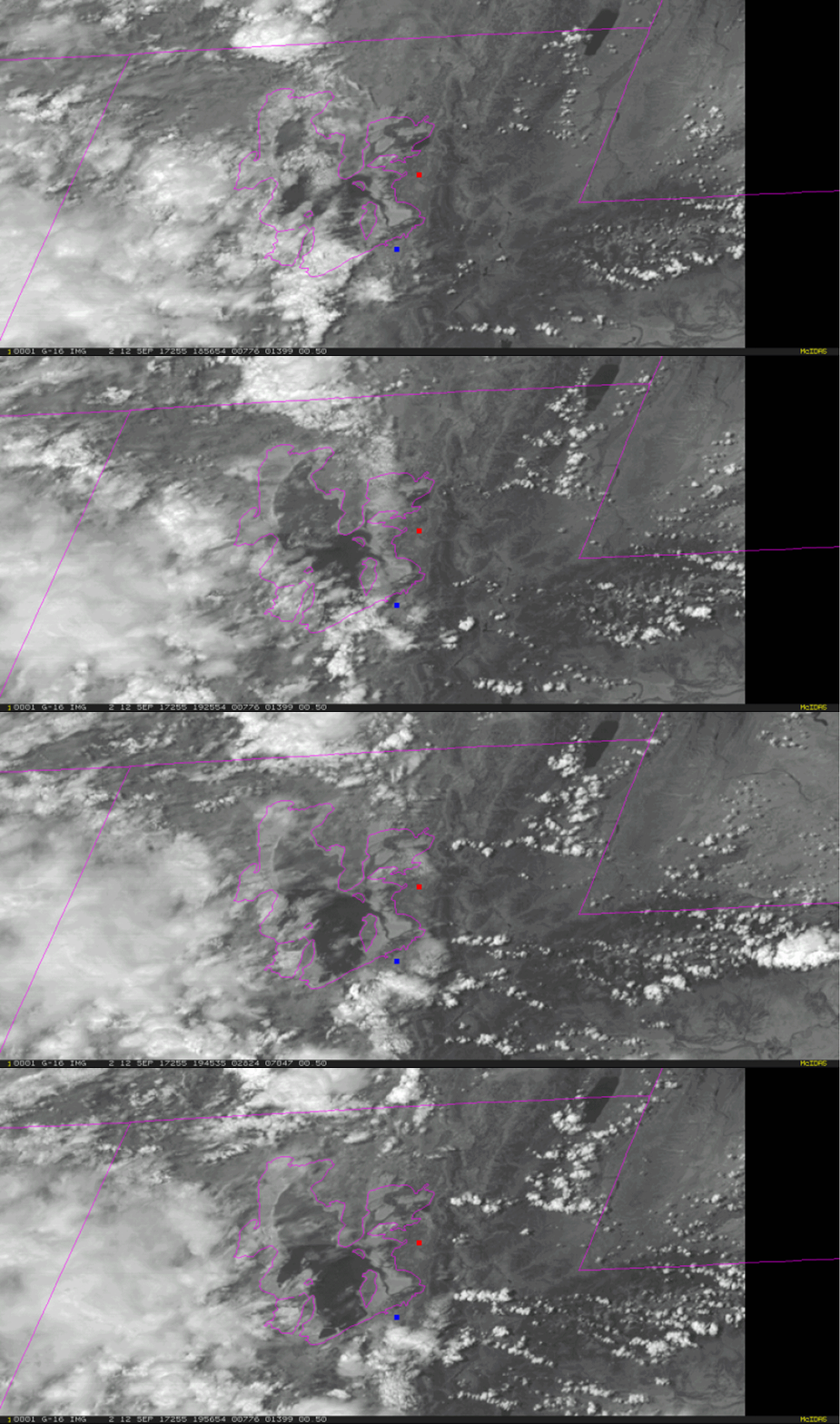
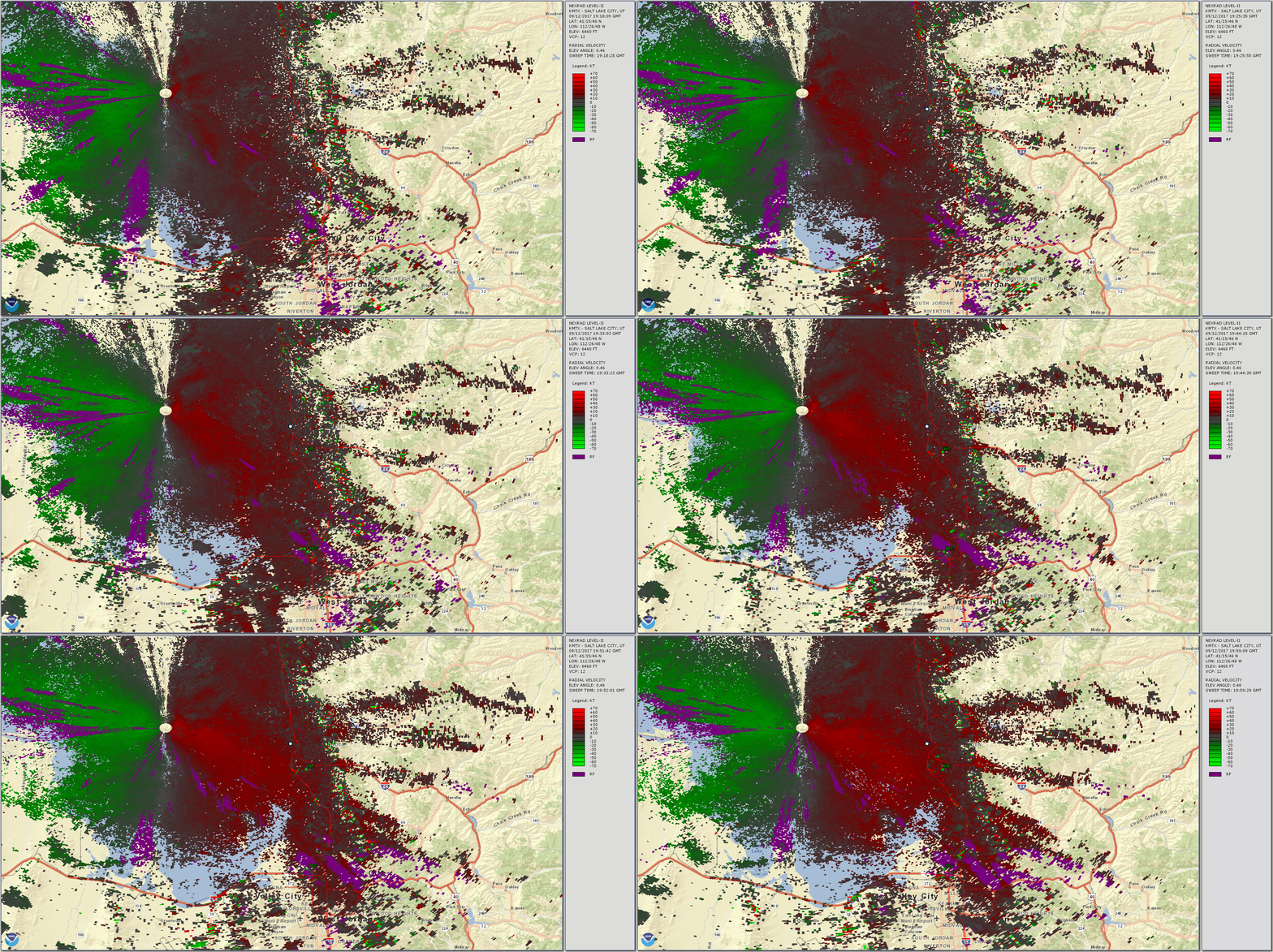
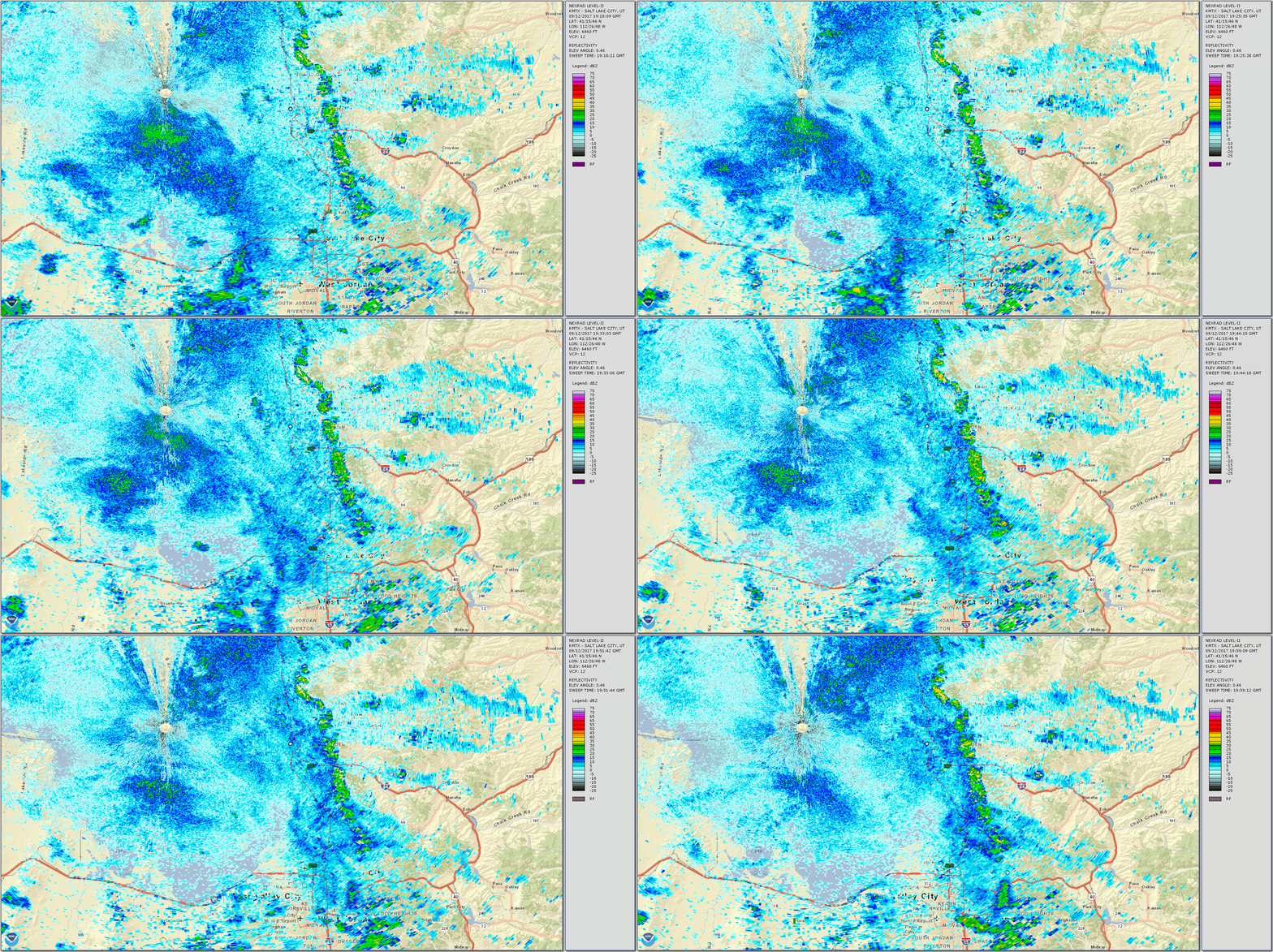
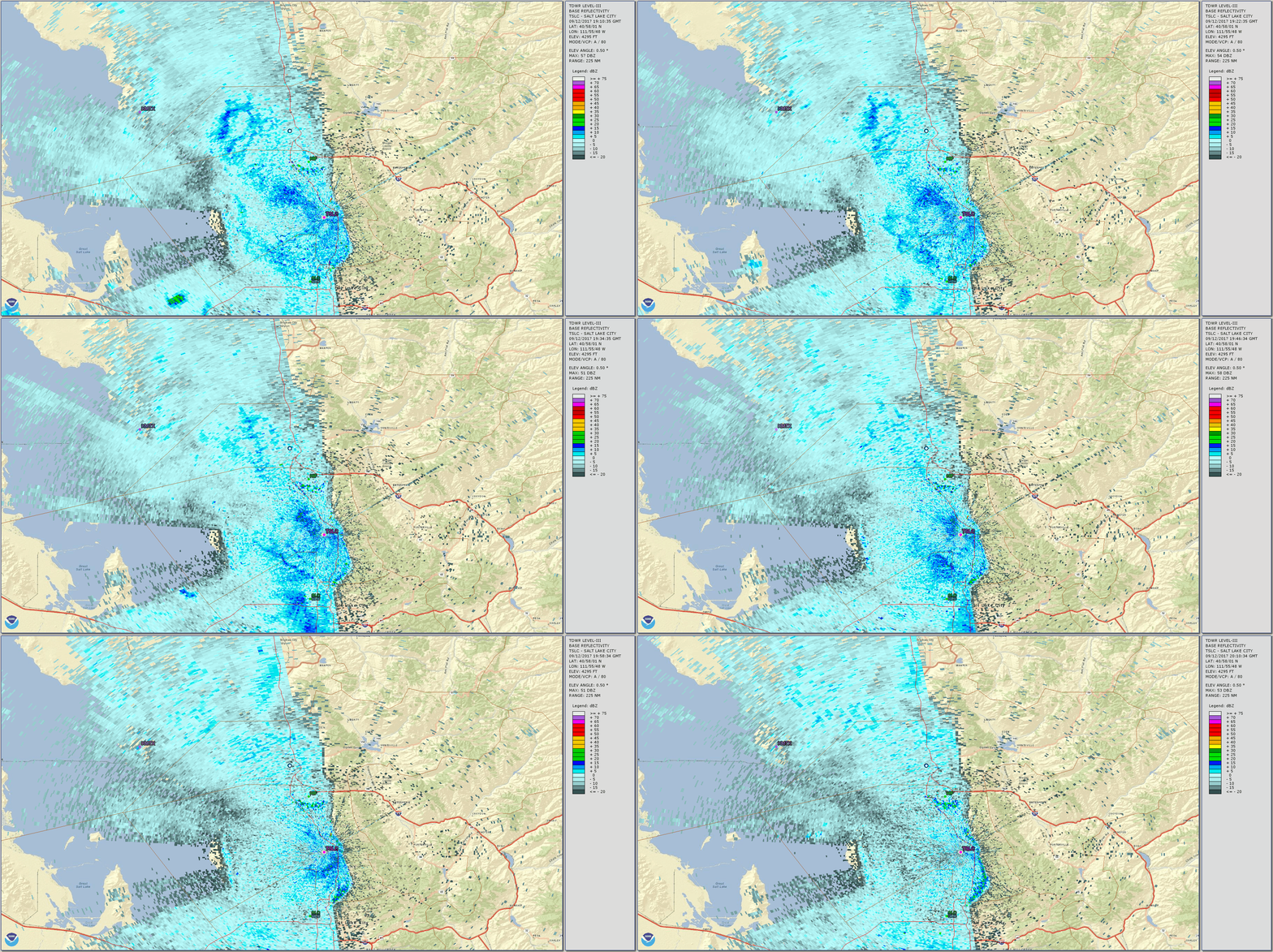
The airline transport pilot reported that general maintenance had recently been completed on the airplane, and this was the pilot's first flight in the airplane and the first flight since the maintenance. The pilot completed two engine run-ups before taking off to practice touch-and-go landings. During the takeoff sequence, all instruments indicated normal. The airplane climbed to about 200 ft but then stopped climbing. The pilot reported that the engine did not sound obviously rough; however, the altitude was not increasing, and airspeed was decreasing. He enriched the mixture with no improvement. He turned on the fuel boost pump and received a little extra power for about half a second. He then tested the magnetos, which both indicated normal. He attempted to maintain altitude; however, his airspeed was steadily decreasing, so he chose to land on a nearby road, during which the airplane impacted a car and then the ground before it was consumed by fire. The weather observation just before the accident indicated the wind was variable at 3 knots, with the visibility at or greater than 10 miles and clear skies. The weather observation just after the accident indicated the wind was at 14 knots gusting to 19 knots, with visibility at or greater than 10 miles and clear skies. A gust front was moving northeastward toward the accident site about the time of the accident. The leading edge of the outflow or gust front moved past the accident site right around the time of the accident. Witnesses reported that shortly after takeoff, the engine sounded "weird" and was "sputtering" or "puttering." The postaccident airframe and engine examination revealed no evidence of mechanical malfunctions or failures that would have precluded normal operation. Thus, it is likely that the erratic and strong wind conditions reduced the airplane's ability to maintain the initial takeoff climb.
Analysis
- Primary failure mode
- Mechanical failure
- First missed decision gate
- Pilot could have aborted takeoff when engine performance began to decline.
NTSB coding
Evidence available
- 14 docket documents
Docket documents14
- Pilot/Operator Aircraft Accident Report, NTSB Form 6120.1form
- Release of Aircraft Wreckage, NTSB Form 6120.15form
- Witness Statementsinterview
- Component Examination Observationsother
- Record of Conversation - FAA Inspector Regarding Postaccident Engine Examinationother
- Record of Conversation - Pilotother
- Weather Attachment 1other
- Weather Attachment 2other
- Weather Attachment 3other
- Weather Attachment 4other
- Weather Attachment 5other
- Weather Attachment 6other
- Weather Attachment 7other
- Weather Studyother
Related mishaps
- BEECH A36
2024-08-02 · Cullman, AL
- HELIO H-295
2023-09-17 · Fairbanks, AK
- MULHOLLAND ROBERT A VANS RV-7
2022-11-09 · Englewood, CO
- CESSNA 152
2022-09-07 · Salt Lake City, UT
- CESSNA 172
2022-08-07 · McCarthy, AK
- CESSNA A185F
2022-07-05 · Plymouth, CT