Piper PA28R near Atlanta, GA — 2019-10-30
- Date
- 2019-10-30
- Location
- Atlanta, GA, USA
- Airport
- PDK
- Aircraft
- Piper PA28R
- Registration
- N56258
- Category
- Airplane
- Highest injury
- Fatal
- Fatalities
- 2
- Phase of flight
- Climb
Probable cause
The pilot's loss of control due to spatial disorientation while flying in instrument meteorological conditions. Contributing to the accident was the failure of the vacuum pump and its associated instruments.
Contributing factors
Contributing to the accident was the failure of the vacuum pump and its associated instruments.
NTSB narrative
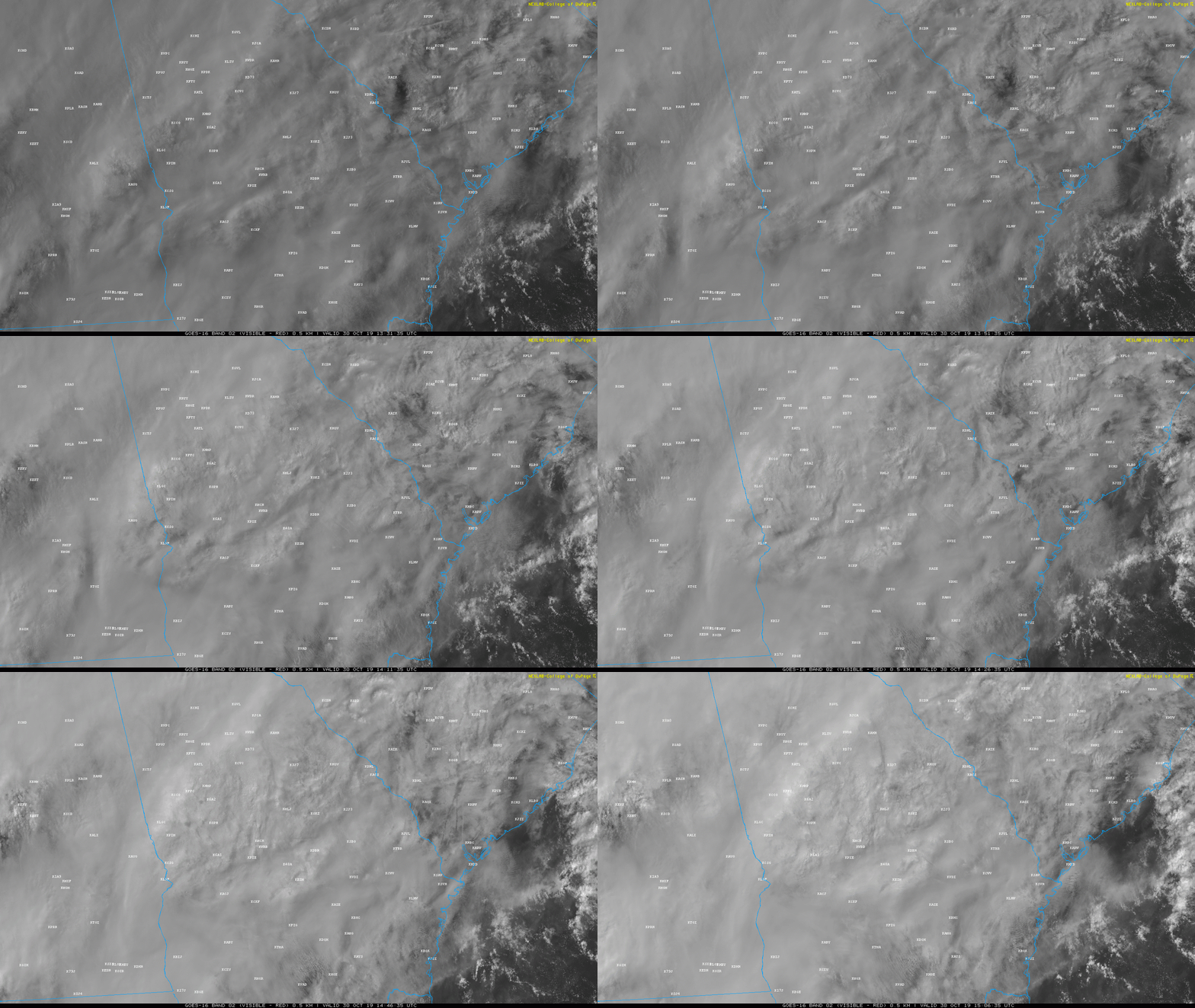
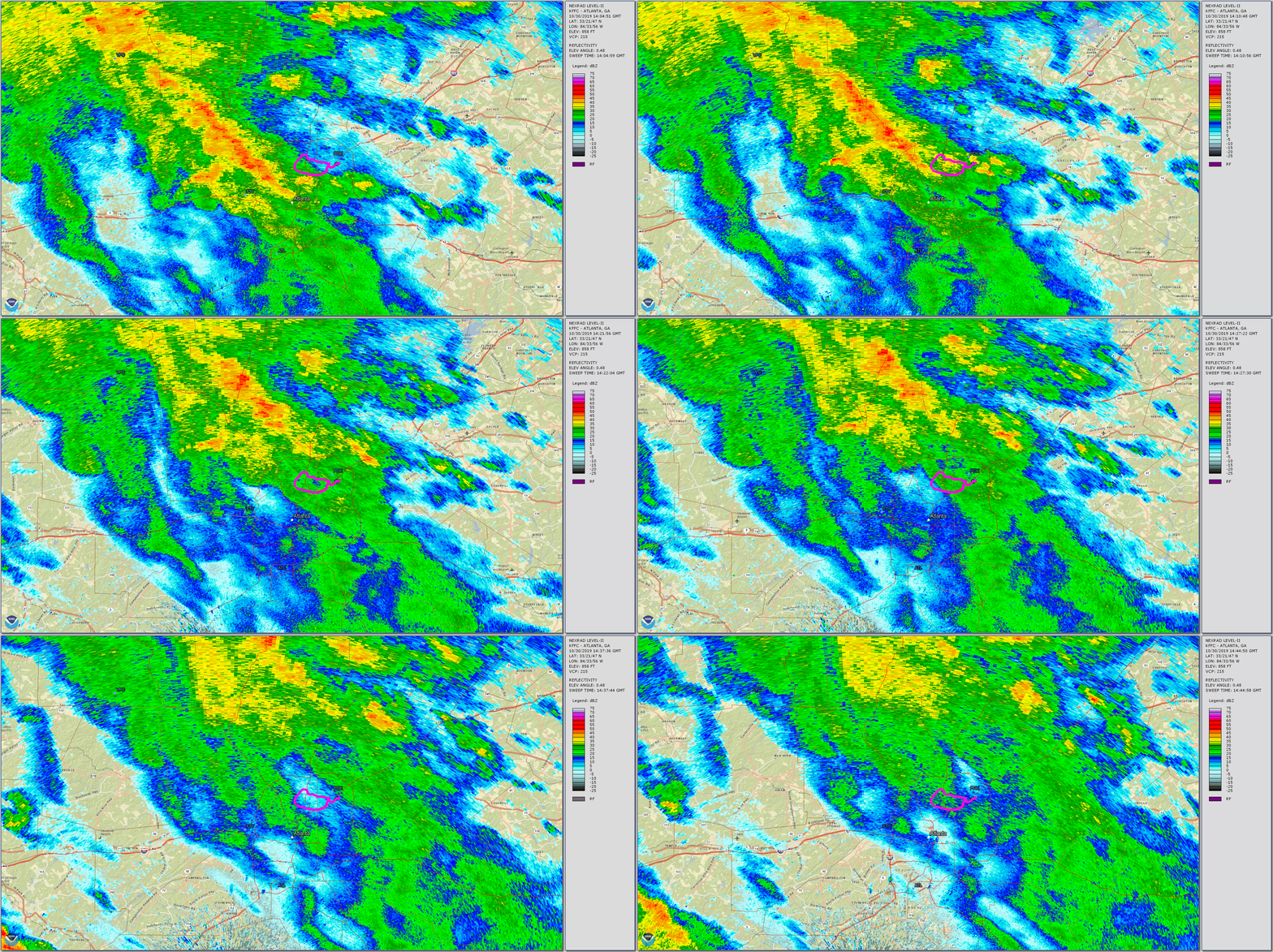
The pilot departed on an instrument flight rules flight plan into instrument meteorological conditions and contacted the departure controller as the airplane was in a climbing right turn to the assigned heading. Shortly thereafter, the pilot began a right turn and the controller instructed him to turn left direct to the destination. The pilot turned left two more times before informing the controller that there was a problem with the airplane’s vacuum system. Radar data indicated that, at that time, the airplane was at 5,075 ft mean sea level at a ground speed of 80 knots and turned left briefly before entering a rapidly descending right turn; radar contact was lost shortly thereafter. The last recorded ground speed was 154 knots. The wreckage impacted a residential apartment building 1.5 miles southeast of the departure airport. Accident site evidence and impact damage to the airplane were indicative of a vertical or near vertical impact. Portions of the empennage were located separately from the main wreckage and displayed fractures consistent with overstress failure, indicative of an inflight breakup. Examination of the airframe revealed no evidence of mechanical malfunctions that would have precluded normal operation. Examination of the engine revealed that the composite drive shaft of the vacuum pump had sheared, which likely resulted in the inflight loss of the pilot’s primary attitude reference. The airplane’s maintenance records showed that the vacuum pump had been installed about 16 years and nearly 600 flight hours before the accident. Review of the pilot’s flight logs indicated that he had accumulated about 19 hours of instrument flight experience and six instrument approaches in the 90 days before the accident in addition to over 5,000 total hours of flight experience and more than 2,000 hours of flight experience in the accident airplane make and model. However, given the airplane’s radar flight track, and that the airplane broke up inflight, it is likely that the pilot became spatially disoriented following the failure of the vacuum pump, which resulted in a loss of control.
Analysis
- Primary failure mode
- Spatial disorientation
- First missed decision gate
- Pilot could have aborted the flight after losing vacuum gauge.
NTSB coding
Evidence available
- ATC audio
- ADS-B / radar
- Photos
- 20 docket documents
Docket documents20
- AIR TRAFFIC CONTROL AUDIO - DEPARTURE CONTROLLERatc
- AIR TRAFFIC CONTROL AUDIO - GROUND CONTROLatc
- AIR TRAFFIC CONTROL AUDIO - TOWER CONTROLLER (LOCAL)atc
- FAA AIR TRAFFIC CONTROL SUMMARYatc
- MEMORANDUM FOR RECORD - MEDICAL AND PATHOLOGICAL INFORMATIONform
- PARTY REPRESENTATIVE FORMform
- RELEASE OF AIRCRAFT WRECKAGE, NTSB FORM 6120.15form
- ENGINE LOGBOOK EXCERPTSother
- PILOT LOG EXCERPTSother
- VACUUM PUMP - MORother
- WEATHER ATTACHMENT 1other
- WEATHER ATTACHMENT 3other
- WEATHER ATTACHMENT 5other
- INVESTIGATIVE PHOTOGRAPHSphotos
- WEATHER ATTACHMENT 4photos
- RADAR DATA - TABULAR FILEradar
- RADAR TRACK FOR N56258radar
- WEATHER ATTACHMENT 2radar
- TOXICOLOGICAL REPORTreport
- WEATHER STUDY REPORTreport
Related mishaps
- CASSUTT IIIM
2026-07-05 · Odessa, TX
- PIPER PA-22-108
2026-06-05 · Westminster, MD
- TORRES RUBEN AVENTURA II
2025-11-15 · Culebrita Beach, PR
- CESSNA 152
2025-10-23 · St. Augustine, FL
- SCOTT VINCIN JUST ACFT HIGHLANDER
2025-07-13 · Mancos, CO
- Kyle Koncak Aventura II
2025-07-03 · DeLand, FL