Pipistrel Virus SW near Micanopy, FL — 2017-04-04
- Date
- 2017-04-04
- Location
- Micanopy, FL, USA
- Aircraft
- Pipistrel Virus SW
- Registration
- N155CL
- Category
- Glider
- Highest injury
- Fatal
- Fatalities
- 1
- Phase of flight
- Descent
Probable cause
The pilot's intentional flight into an area of known convective thunderstorm activity, which resulted in an in-flight breakup.
NTSB narrative
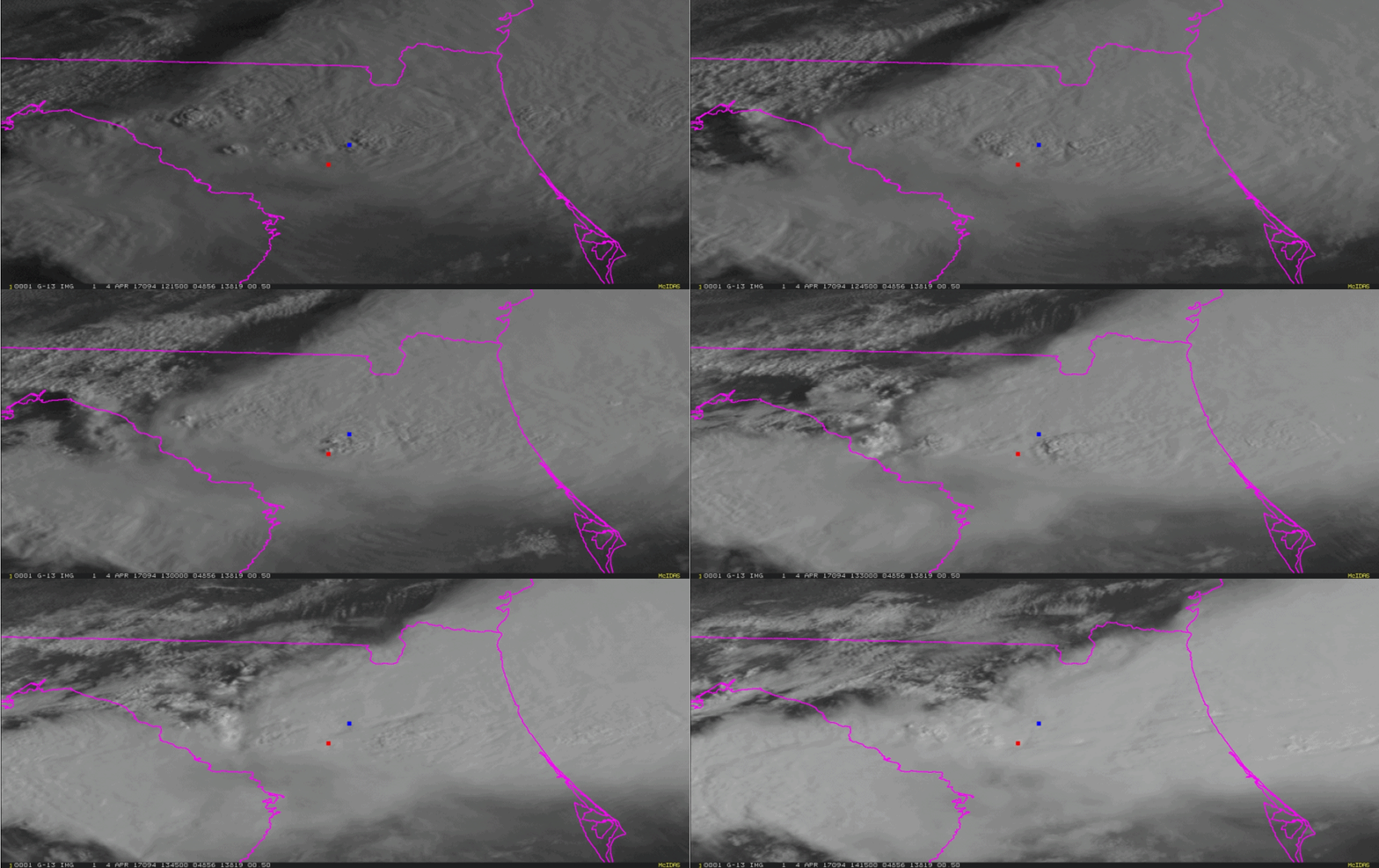
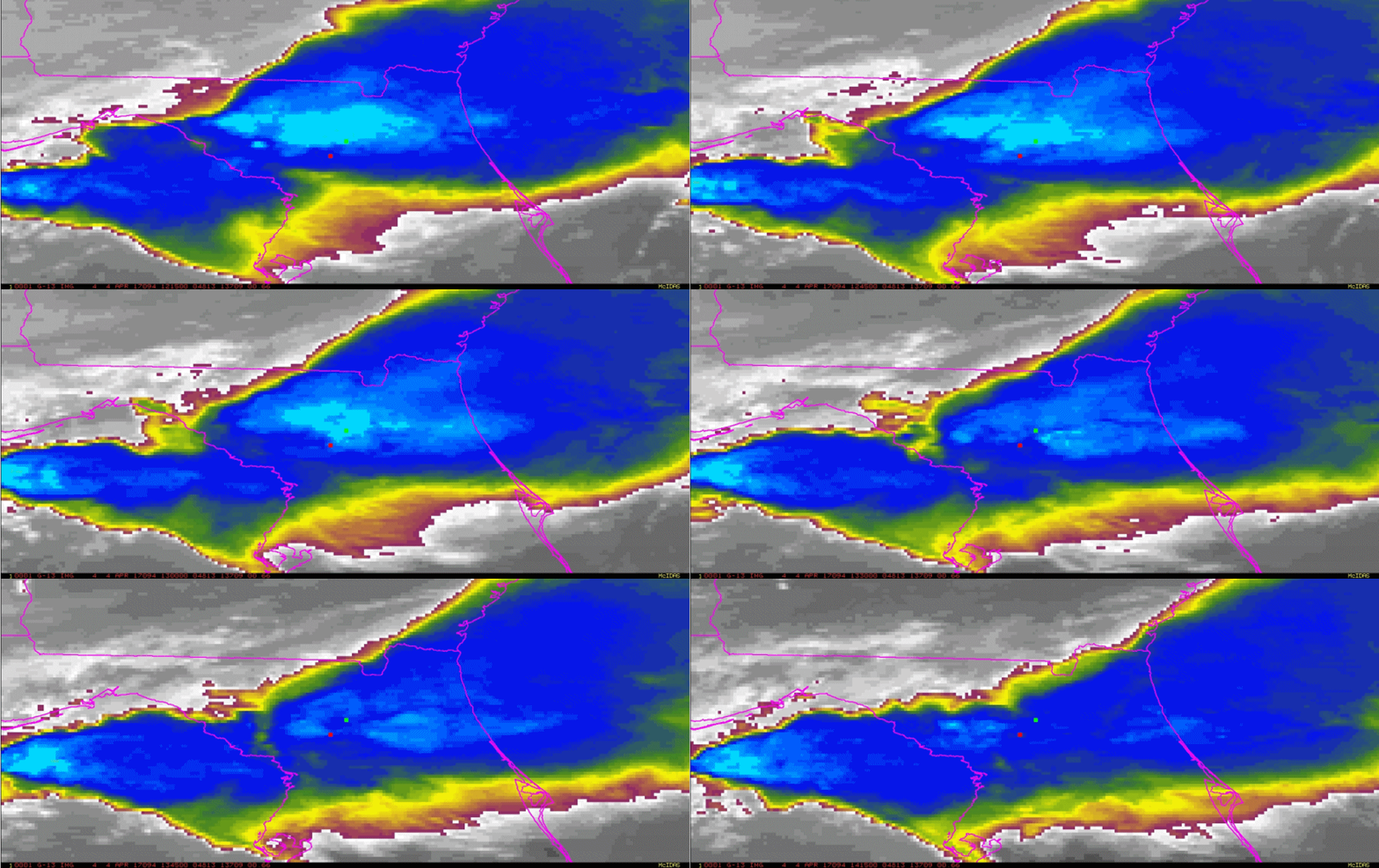
Although the airline transport pilot received preflight weather briefings that forecast a risk of severe thunderstorms along his route, he chose to depart on an instrument flight rules (IFR) cross-country flight in his motorglider. About 45 minutes after departure, he asked air traffic control for any pilot reports or other information about the line of weather, which was located to the north along his route. The controller advised that there were areas of heavy-to-extreme precipitation and offered to provide vectors through the area of least precipitation when the pilot arrived in the vicinity. The pilot acknowledged and advised the controller that he would divert to another airport south of the weather if the conditions deteriorated. The controller continued to provide vectors and inform the pilot of the location and severity of the precipitation as the airplane continued north. About 10 miles south of the line of weather, the controller issued a slight left turn to avoid an area of heavy to extreme precipitation. The pilot advised that he saw an area to his right that looked like a viable route, and after discussion with the controller, chose to navigate around the weather on his own. When the controller checked in with the pilot a few minutes later, the pilot said that his ride was smooth, and he could see some lightning to his right. He then indicated that he had entered the clouds and could no longer deviate around weather visually. No further transmissions were received from the pilot, and radar contact was lost about 2 minutes later. The motorglider was highly fragmented at the accident site and was mostly confined to a small area about 75 ft in diameter. A large section of the left wing and the left flaperon were found in two separate locations about 4.5 and 3.5 miles away from the main wreckage, respectively, consistent with an in-flight breakup. Examination of the airframe and engine revealed no anomalies that would have precluded normal operation. A review of available weather information revealed that the pilot likely encountered a severe rotating thunderstorm (supercell), with associated hazards such as severe wind shear, updrafts and downdrafts, hail, lightning, icing, and possible tornado activity. The motorglider was not equipped for flight in instrument meteorological conditions (IMC) and the flight manual specifically prohibited flying according to instrument flight rules, in IMC, in heavy rainfall, or during thunderstorm activity. Despite the weather information provided to him before the flight, the pilot chose to depart toward and continue into the area of severe convective activity. The violent conditions associated with the supercell thunderstorm exceeded the motorglider's design stress limitations and resulted in an in-flight breakup.
Analysis
- Primary failure mode
- Controlled flight into terrain
- First missed decision gate
- Pilot could have chosen to divert to Ocala instead of navigating through severe weather.
NTSB coding
Evidence available
- ADS-B / radar
- Photos
- 23 docket documents
Docket documents23
- Memorandum for Record – Interview, Witnessinterview
- Engine Logbookother
- Excerpt from Pilot's Operating Handbookother
- Pilot's Logbookother
- Weather Attachment 1other
- Weather Attachment 10other
- Weather Attachment 11other
- Weather Attachment 12other
- Weather Attachment 13other
- Weather Attachment 2other
- Weather Attachment 3other
- Weather Attachment 4other
- Weather Attachment 5other
- Weather Attachment 6other
- Weather Attachment 7other
- Weather Attachment 8other
- Weather Attachment 9other
- Photosphotos
- Radar Data - Airplane Trackradar
- Global Positioning System Device - Specialist's Factual Reportreport
- Toxicological Reportreport
- Weather Factual Reportreport
- Wreckage Release and Evidence Controlwreckage
Related mishaps
- BEECH V35
2024-05-15 · Franklin, TN · 3 fatalities
- Beechcraft BE58
2024-01-26 · DeRidder, LA
- CESSNA 182
2023-05-07 · Reliance, TN · 1 fatality
- CESSNA 182K
2021-05-29 · Cordova, AK
- PIPER AIRCRAFT INC PA46R-350T
2021-02-14 · Tehachapi, CA · 1 fatality
- PIPER PA28
2019-08-03 · Ontonagon, MI · 1 fatality